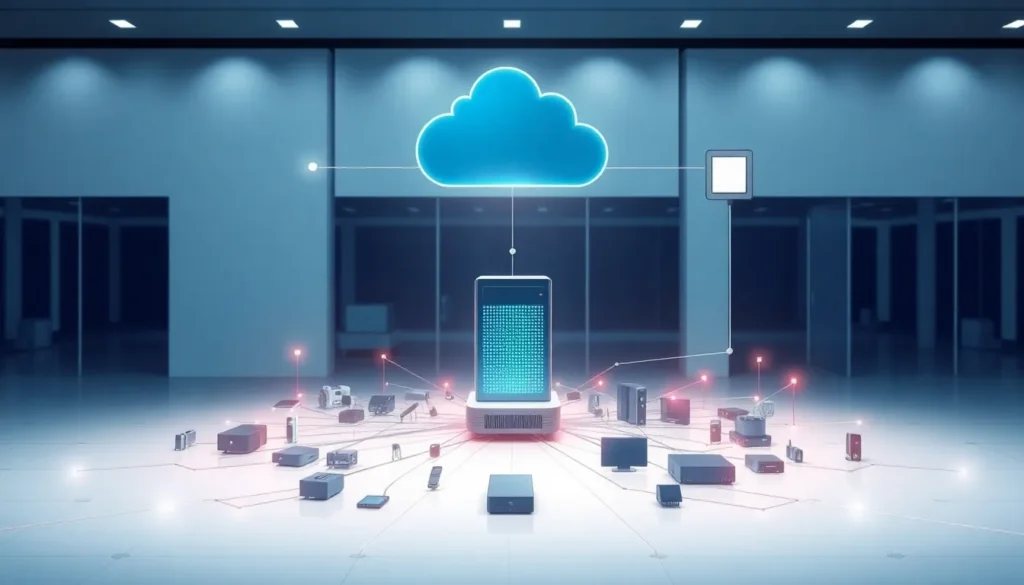

The internet of things vs. edge computing, cloud computing, and machine-to-machine (M2M) technology, these terms often get mixed up. Each serves a distinct purpose, yet they overlap in ways that create confusion for businesses and developers alike.
The internet of things connects physical devices to the internet, enabling data collection and remote control. But how does it differ from edge computing, which processes data locally? Or cloud computing, which stores and analyzes data on remote servers? And where does M2M fit in?
This article breaks down each technology. It explains their key differences, use cases, and how they work together. By the end, readers will understand which solution fits their specific needs.
Table of Contents
ToggleKey Takeaways
- The internet of things connects physical devices to collect and share data, with over 15 billion devices worldwide as of 2024.
- Edge computing processes IoT data locally, reducing latency and bandwidth use for time-sensitive applications like industrial safety systems.
- Cloud computing stores and analyzes IoT data, making it essential for long-term storage, advanced analytics, and remote device management.
- M2M communication is a subset of the internet of things, but IoT adds internet connectivity, cloud integration, and AI capabilities.
- Most modern deployments combine IoT, edge computing, and cloud computing rather than choosing just one technology.
- Choose edge computing with IoT for instant response needs, and cloud-based IoT for applications where slight delays are acceptable.
What Is the Internet of Things
The internet of things (IoT) refers to a network of physical devices that connect to the internet. These devices collect, share, and act on data without requiring human intervention.
Examples of internet of things devices include:
- Smart thermostats that adjust temperature based on occupancy
- Wearable fitness trackers that monitor heart rate
- Industrial sensors that detect equipment failures
- Connected refrigerators that track grocery inventory
The internet of things relies on three core components: sensors, connectivity, and data processing. Sensors gather information from the environment. Connectivity (Wi-Fi, Bluetooth, cellular) transmits that data. Processing systems analyze the data and trigger actions.
As of 2024, there are over 15 billion IoT devices worldwide. Experts project this number to exceed 30 billion by 2030. The internet of things has transformed industries from healthcare to manufacturing, agriculture to retail.
Understanding what the internet of things does helps clarify how it relates to, and differs from, other technologies like edge computing, cloud computing, and M2M communication.
IoT vs. Edge Computing
The internet of things and edge computing serve different functions, but they work well together.
IoT focuses on connecting devices and collecting data. Edge computing focuses on processing that data close to its source, at the “edge” of the network, rather than sending it to a central server.
Key Differences
| Aspect | Internet of Things | Edge Computing |
|---|---|---|
| Primary function | Device connectivity and data collection | Local data processing |
| Data location | Sends data to remote servers | Processes data on-site |
| Latency | Higher (depends on network) | Lower (local processing) |
| Bandwidth use | Higher | Lower |
How They Work Together
Many internet of things deployments now incorporate edge computing. A factory might use IoT sensors to monitor equipment. Edge computing devices process that sensor data locally, identifying problems in real-time. Only summarized data gets sent to the cloud.
This combination reduces latency, saves bandwidth, and improves response times. For applications requiring instant decisions, autonomous vehicles, industrial safety systems, edge computing makes the internet of things more practical.
The internet of things vs. edge computing isn’t an either-or choice. Edge computing enhances IoT performance by handling time-sensitive processing locally.
IoT vs. Cloud Computing
Cloud computing provides the storage and processing power that many internet of things systems need. But they serve fundamentally different roles.
The internet of things creates data. Cloud computing stores and analyzes it.
Core Distinctions
Cloud computing delivers computing resources, servers, storage, databases, software, over the internet. Users access these resources on demand without owning physical infrastructure.
The internet of things, by contrast, involves physical devices that generate data. A smart thermostat is an IoT device. The server that stores temperature history and runs analytics is cloud computing.
Why IoT Often Depends on Cloud Computing
Most internet of things systems send data to cloud platforms for:
- Long-term storage
- Advanced analytics and machine learning
- Dashboard visualization
- Remote device management
Amazon Web Services, Microsoft Azure, and Google Cloud all offer specialized IoT cloud services. These platforms handle millions of device connections and process massive data volumes.
Limitations of Cloud-Only IoT
Relying entirely on cloud computing creates challenges. Network outages disrupt IoT functionality. Latency delays time-sensitive operations. Bandwidth costs increase with data volume.
That’s why many organizations combine the internet of things with both cloud and edge computing. IoT devices collect data. Edge computing handles urgent processing. Cloud computing manages storage, analytics, and long-term insights.
The internet of things vs. cloud computing debate misses the point, they’re complementary technologies, not competitors.
IoT vs. Machine-to-Machine Communication
Machine-to-machine (M2M) communication predates the internet of things. The two concepts share similarities, but important differences separate them.
What Is M2M?
M2M refers to direct communication between devices without human involvement. Vending machines that report inventory levels, ATMs that connect to bank networks, and utility meters that transmit readings, these are M2M applications.
M2M has existed since the 1970s. Early systems used telephone lines and proprietary protocols.
Internet of Things vs. M2M: Key Differences
| Feature | M2M | Internet of Things |
|---|---|---|
| Connectivity | Point-to-point, often proprietary | Internet-based, standardized protocols |
| Scale | Limited device networks | Billions of connected devices |
| Data use | Device-to-device communication | Cloud integration, analytics, AI |
| Interoperability | Often closed systems | Open standards, cross-platform |
The Evolution from M2M to IoT
The internet of things expanded M2M concepts. IoT added:
- Internet connectivity as the default
- Cloud-based data storage and processing
- Standardized communication protocols
- Integration with software applications and AI
Think of M2M as a subset of the internet of things. All M2M systems involve device communication. The internet of things encompasses M2M while adding broader connectivity, analytics, and application integration.
Organizations with legacy M2M systems often migrate to internet of things platforms to gain these additional capabilities.
Choosing the Right Technology for Your Needs
Selecting between the internet of things, edge computing, cloud computing, or M2M depends on specific requirements. Here’s how to evaluate the options.
Consider Latency Requirements
Applications requiring instant responses benefit from edge computing combined with IoT. Autonomous vehicles, industrial safety shutoffs, and real-time monitoring can’t wait for cloud round-trips.
For applications where seconds or minutes of delay are acceptable, energy monitoring, asset tracking, cloud-based IoT works well.
Evaluate Connectivity Conditions
Reliable internet access? Cloud-centric IoT deployments function smoothly. Remote locations with intermittent connectivity? Edge computing provides local processing during outages.
Assess Data Volume and Costs
High-volume IoT deployments generate massive data streams. Sending everything to the cloud increases bandwidth costs. Edge computing filters and compresses data, reducing transmission expenses.
Check Existing Infrastructure
Organizations with legacy M2M systems might start there. Upgrading to full internet of things implementation requires investment but offers greater flexibility and analytics capabilities.
Match Technology to Use Case
- Smart home devices: Internet of things with cloud computing
- Industrial equipment monitoring: IoT with edge computing
- Fleet tracking: Internet of things with cloud analytics
- Medical devices: IoT with edge computing for real-time alerts
- Utility metering: M2M or IoT depending on analytics needs
Most modern deployments combine multiple technologies. The internet of things provides device connectivity. Edge computing handles time-sensitive processing. Cloud computing delivers storage and advanced analytics.