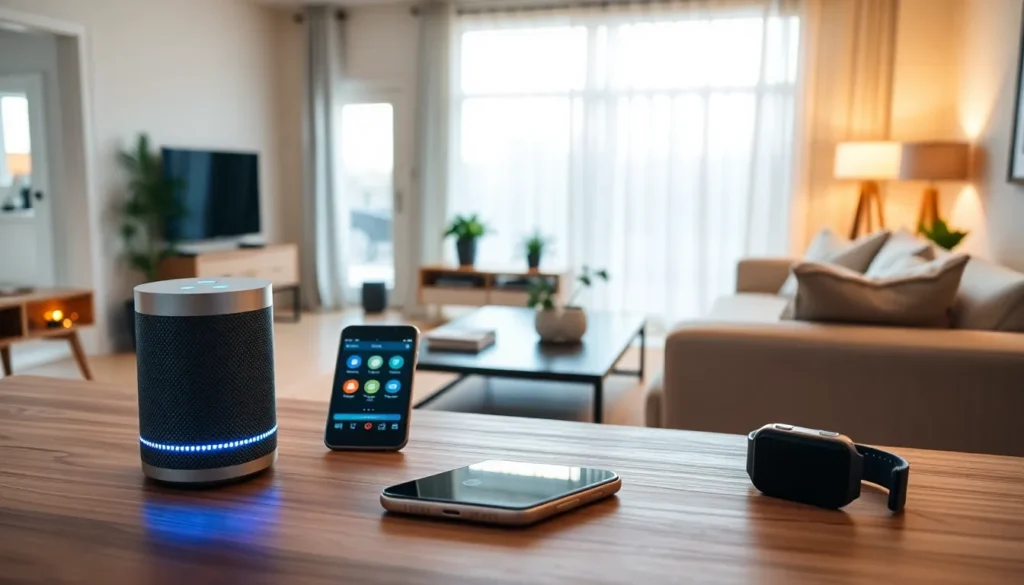

The best internet of things devices transform everyday life into something more connected, efficient, and frankly, a bit futuristic. In 2025, IoT technology has matured. Smart homes are no longer a novelty, they’re standard. Wearables track health metrics with clinical precision. Voice assistants manage schedules, control lighting, and even order groceries.
But with thousands of IoT devices flooding the market, choosing the right ones feels overwhelming. Which products deliver real value? Which ones end up collecting dust in a drawer? This guide breaks down the best internet of things devices available today, covering smart home essentials, health wearables, and the ecosystems that tie everything together.
Table of Contents
ToggleKey Takeaways
- The best internet of things devices prioritize seamless connectivity, strong security features, and compatibility with major ecosystems like Alexa, Google Home, and Apple HomeKit.
- Smart speakers such as Amazon Echo and Google Nest Audio serve as command centers, controlling other IoT devices through voice commands.
- Health wearables like Apple Watch Series 10 and Oura Ring Gen 3 deliver clinical-grade tracking for heart rate, sleep, and activity levels.
- Matter protocol is the future of IoT, allowing devices to work across all major platforms and providing flexibility if you switch ecosystems.
- When choosing the best internet of things products, consider your existing devices, phone platform, budget, and privacy priorities to build a cohesive smart home.
- Security-focused IoT devices like Ring Video Doorbell Pro 2 and Arlo Pro 5S offer peace of mind with advanced features such as 3D motion detection and color night vision.
What Makes a Great IoT Device
Not every connected device deserves a spot in someone’s home. The best internet of things devices share specific qualities that separate them from forgettable gadgets.
Seamless Connectivity stands at the top. A great IoT device connects quickly, stays connected, and plays well with other devices. Frequent disconnections or pairing issues kill the user experience.
Security Features matter more than ever. IoT devices collect personal data, from daily routines to health information. The best devices offer encrypted connections, regular firmware updates, and strong authentication protocols. Cheap devices with poor security create vulnerabilities across entire home networks.
Ease of Use defines adoption. Complex setup processes frustrate users. The best IoT products work out of the box with intuitive apps and clear instructions.
Ecosystem Compatibility determines long-term value. An IoT device that only works with one platform limits future choices. Products supporting Amazon Alexa, Google Home, Apple HomeKit, or Matter protocol give users flexibility.
Battery Life and Power Efficiency affect practicality. Wearables needing daily charges become burdens. Smart sensors requiring frequent battery replacements create maintenance headaches.
Finally, actual usefulness separates winners from gimmicks. The best internet of things devices solve real problems or genuinely improve daily routines. A connected toaster sounds fun until someone realizes they’ve never needed one.
Top IoT Devices for Your Home
The smart home category contains the most popular IoT devices. These products automate tasks, enhance security, and create more comfortable living spaces.
Smart Speakers and Voice Assistants
Voice assistants serve as command centers for connected homes. They control other IoT devices, answer questions, play music, and manage schedules, all through voice commands.
Amazon Echo (5th Gen) remains a top choice in 2025. Its improved sound quality competes with dedicated speakers, while Alexa’s skill library continues expanding. The device integrates with thousands of smart home products.
Google Nest Audio appeals to users embedded in Google’s ecosystem. Google Assistant handles natural language queries exceptionally well and offers superior search integration.
Apple HomePod (2nd Gen) targets Apple households. Siri works seamlessly with iPhones, iPads, and Macs. The HomePod also functions as a Thread border router, connecting Matter-compatible devices.
For budget-conscious buyers, the Amazon Echo Pop and Google Nest Mini deliver core voice assistant features at lower price points.
Smart Security and Monitoring Systems
Security devices represent some of the best internet of things investments. They provide peace of mind and practical protection.
Ring Video Doorbell Pro 2 captures 1536p video with head-to-toe viewing angles. Its 3D motion detection reduces false alerts from passing cars or animals.
Arlo Pro 5S offers wireless outdoor cameras with 2K resolution, color night vision, and 12-hour battery backup during power outages. The cameras work with all major voice assistants.
SimpliSafe provides a complete home security system without long-term contracts. The package includes entry sensors, motion detectors, and professional monitoring options.
Wyze Cam v4 deserves mention for budget seekers. At under $35, it delivers color night vision, two-way audio, and local storage options.
IoT Devices for Health and Wearables
Health-focused IoT devices track fitness, monitor vital signs, and encourage healthier habits. The best internet of things wearables combine accuracy with actionable insights.
Apple Watch Series 10 leads the smartwatch category. It tracks heart rate, blood oxygen, sleep patterns, and even body temperature. The ECG feature detects irregular heart rhythms. Crash detection and fall detection add safety layers.
Fitbit Charge 6 offers excellent fitness tracking at a lower price than premium smartwatches. Built-in GPS, heart rate monitoring, and stress management tools help users maintain wellness routines. Google integration strengthens its feature set.
Oura Ring Gen 3 appeals to users who dislike wrist-worn devices. This smart ring tracks sleep, activity, and readiness scores through a comfortable, low-profile design. Sleep tracking accuracy rivals dedicated sleep monitors.
Withings Body Smart Scale goes beyond weight measurement. It tracks body composition, provides cardiovascular assessments, and syncs data with health apps. The scale recognizes up to eight users automatically.
Dexcom G7 represents IoT innovation in medical devices. This continuous glucose monitor helps diabetics track blood sugar levels in real-time through smartphone integration.
These health IoT devices share data with healthcare providers when authorized, enabling better medical decisions based on long-term trends rather than single office visits.
How to Choose the Right IoT Ecosystem
Selecting the best internet of things devices requires thinking beyond individual products. The ecosystem, the platform connecting everything, shapes the entire experience.
Amazon Alexa offers the widest device compatibility. Thousands of products work with Alexa, from major brands to budget manufacturers. The Alexa app centralizes control, and routines automate multiple actions with single commands.
Google Home excels at natural language processing and search integration. Google’s ecosystem works particularly well for Android users. Nest products integrate tightly, creating cohesive smart home experiences.
Apple HomeKit prioritizes privacy and security. Apple vets all HomeKit-compatible devices, ensuring higher security standards. The ecosystem works best for households already using iPhones, iPads, and Macs. But, fewer devices support HomeKit compared to Alexa or Google.
Matter Protocol represents the future. This universal standard lets devices work across all major platforms. Products with Matter certification work with Alexa, Google Home, and Apple HomeKit simultaneously. Buying Matter-compatible devices provides flexibility if someone switches ecosystems later.
When choosing, consider these factors:
- Existing devices: Build around what’s already owned
- Phone platform: iOS users benefit from HomeKit: Android users from Google Home
- Budget: Amazon offers more affordable options
- Privacy priorities: Apple’s approach suits privacy-conscious users
Mixing ecosystems creates complications. Devices may not communicate with each other, requiring multiple apps to control a single home. Sticking with one primary ecosystem, while choosing Matter devices where possible, creates the smoothest experience.